Tattoos are meant to last, but they aren’t frozen in time. Skin moves. Styles age. Daily life leaves marks.
Even the most solid tattoo can slowly change, especially in climates with strong sun, cold winters, or dry air.
A touch-up isn’t a mistake or a failure. It’s maintenance.
Key Takeaways
- Touch-ups are a normal part of long-term tattoo life.
- Fading, patchy areas, and softened lines are common signs.
- Timing matters — evaluate only after full settling.
- Climate, exposure, and placement affect longevity.
Why Touch-Ups Are a Normal Part of Tattoo Life
Touch-ups are about care, not correction
Many people assume a touch-up means something went wrong. In reality, it usually means the tattoo lived a real life.
Ink settling differently, small areas lightening, or fine details softening over time are all normal outcomes.
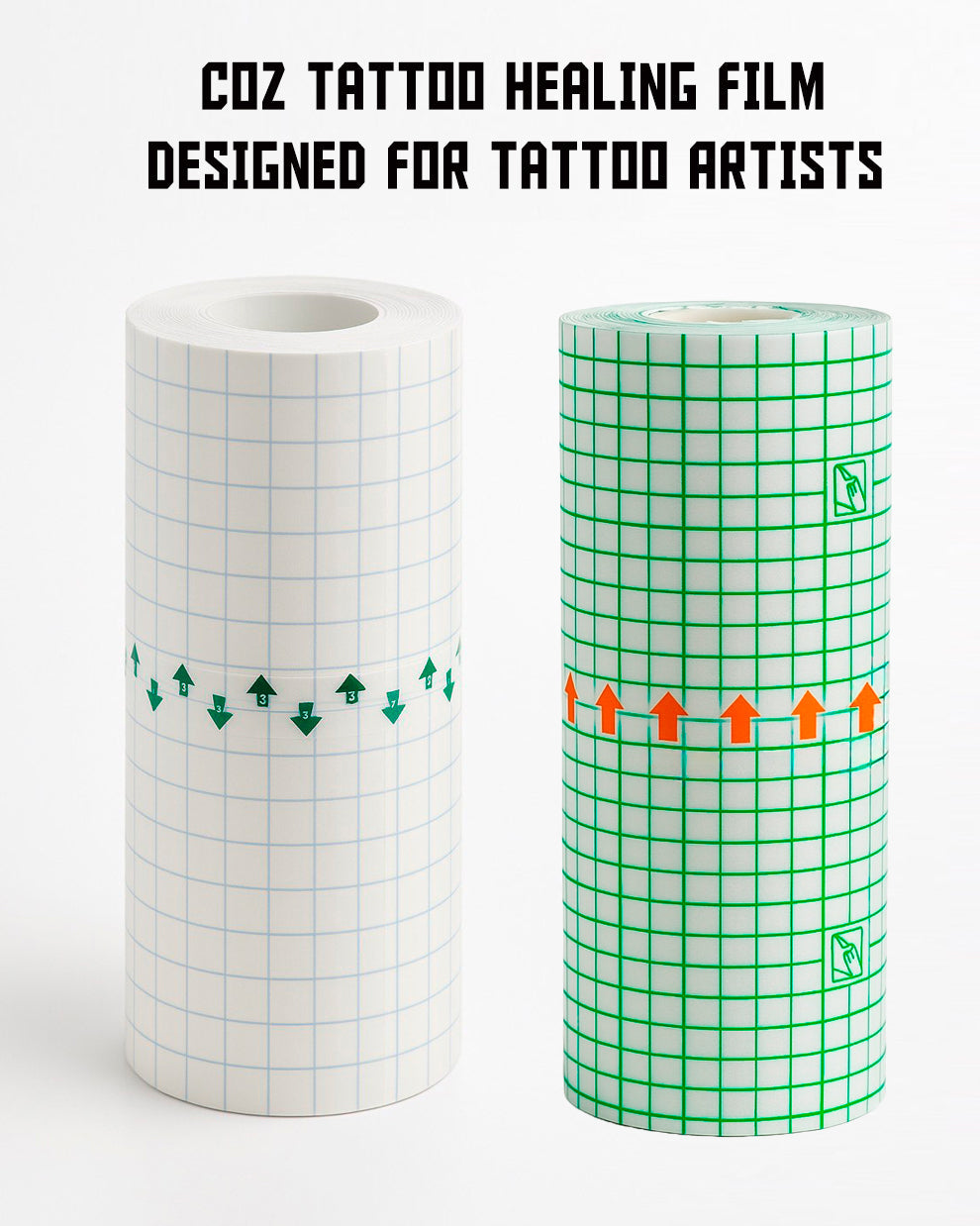
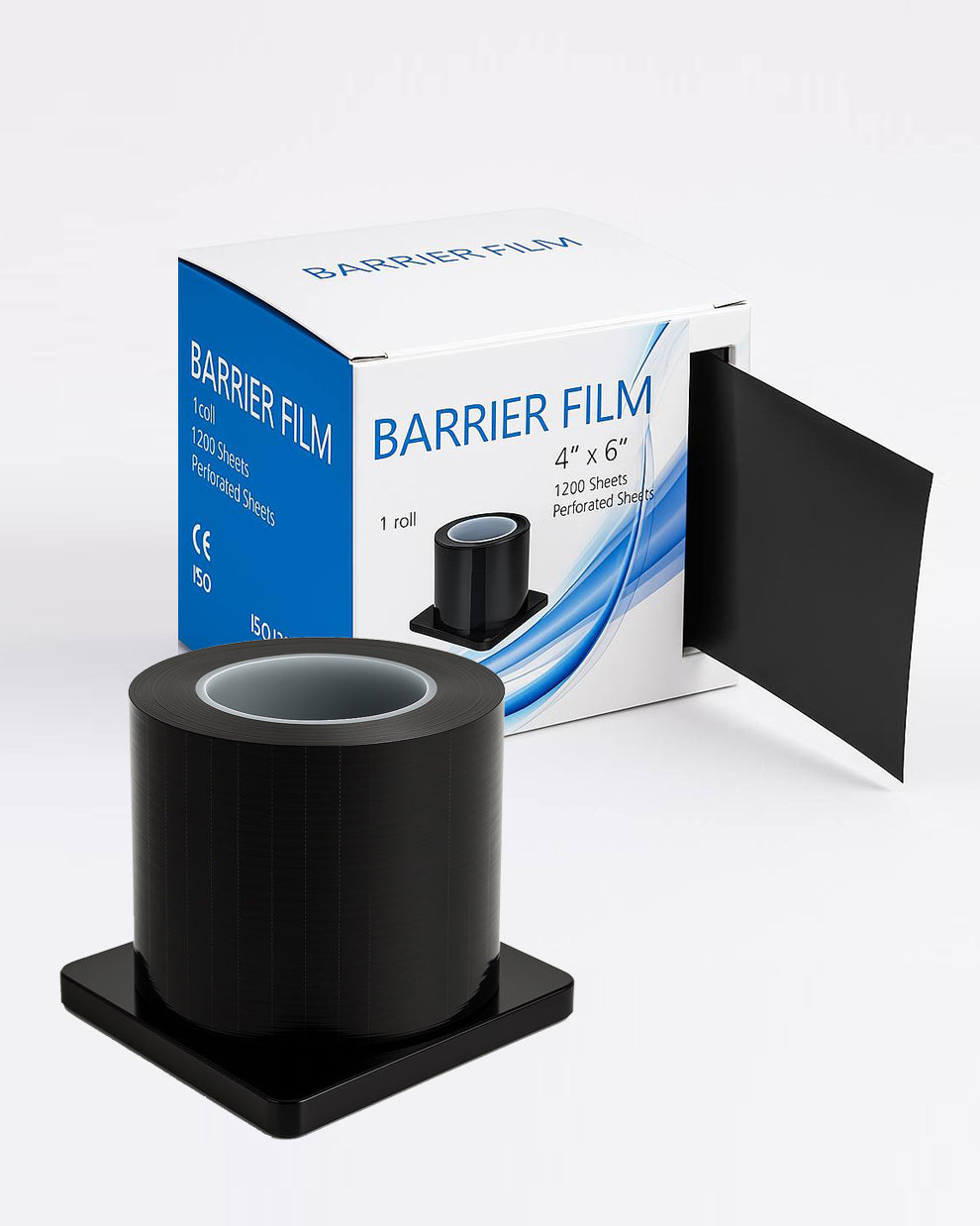
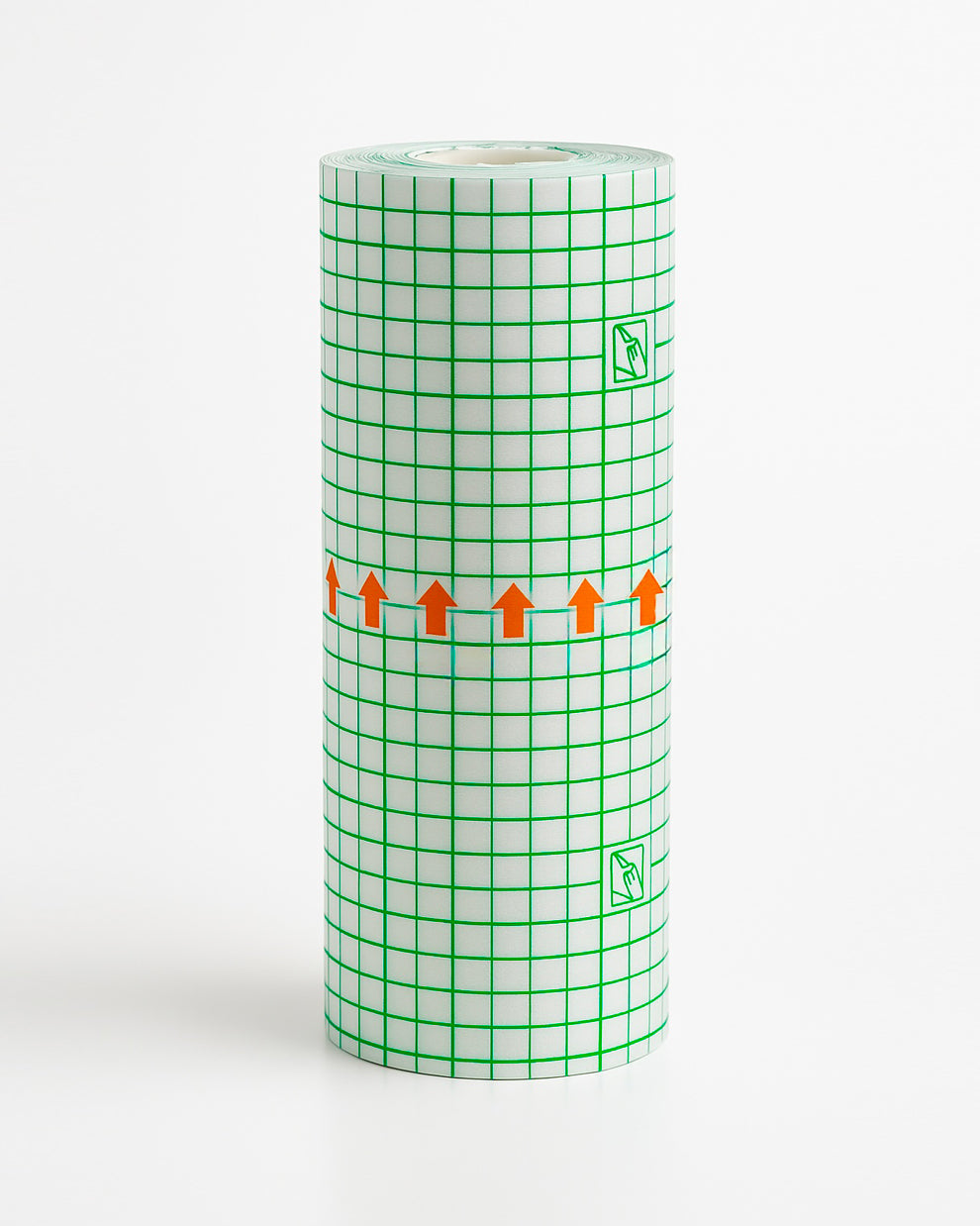
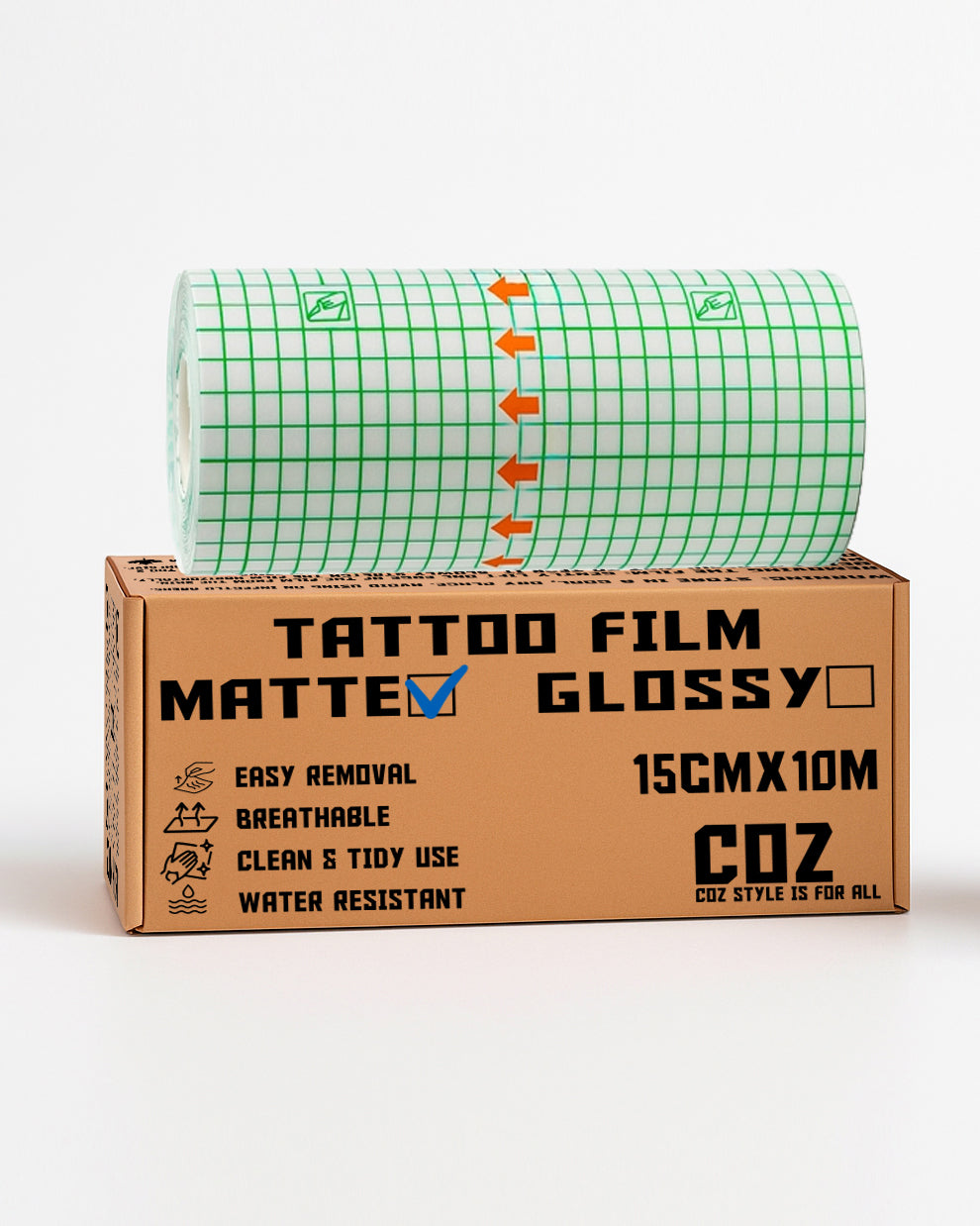
Protective measures such as professional tattoo aftercare film — including options like EZ Derm Defender Tattoo Film, COZ Tattoo Film Standard Glossy Second Skin Care Bandage, and COZ Tattoo Film Premium Matte Second Skin Care Bandage — can help support a stable healing environment during the early stages.
Long-term care also matters. Using protective products such as Inkeeze Tattoo Sunscreen Stick SPF 50 helps reduce environmental stress that can contribute to premature fading, especially once the tattoo is fully healed.
Clear Signs a Tattoo May Need a Touch-Up
The key is learning how to read your tattoo once it has fully settled.
Faded or washed-out areas
If parts of the tattoo no longer have the depth they once did, especially blacks or solid fills, that’s often the first sign.
This doesn’t happen overnight. It usually appears gradually, which is why many people don’t notice it right away.
Patchy spots or uneven saturation
Sometimes pigment doesn’t hold evenly across the skin.
Small gaps or lighter areas can appear after the initial settling phase. These are among the most common reasons artists recommend a touch-up.
Soft or blurred lines
Crisp lines give tattoos structure.
Over time, outlines may look softer or less defined, especially in fine-line or delicate designs. A touch-up can restore contrast and clarity.
When a touch-up is not the solution
Some issues, like heavy ink spread or design distortion, can’t be fixed with a simple refresh.
These cases usually require redesign, cover-up work, or more advanced planning rather than a standard touch-up.

Timing Matters More Than People Think
Knowing when to touch up matters just as much as knowing why.
Wait until the tattoo is fully settled
Fresh tattoos go through stages.
Color, contrast, and texture change naturally in the first weeks. Judging too early often leads to unnecessary worry.
The typical waiting window
Most artists recommend waiting several weeks before evaluating whether a touch-up is needed.
This allows the skin to calm down and the ink to reveal its true appearance.
Early touch-ups are common and expected
Many studios expect minor adjustments after the initial session.
That’s why some artists include a first touch-up as part of the original work. Skin heals differently for everyone.
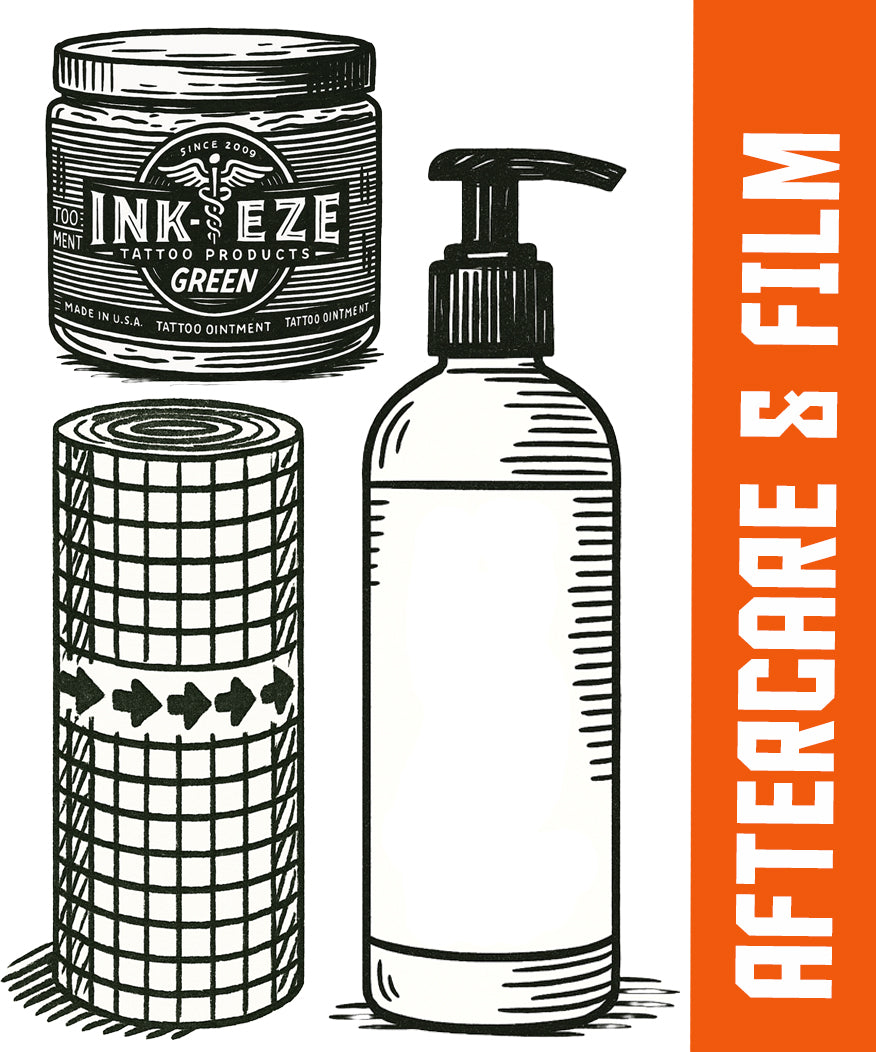
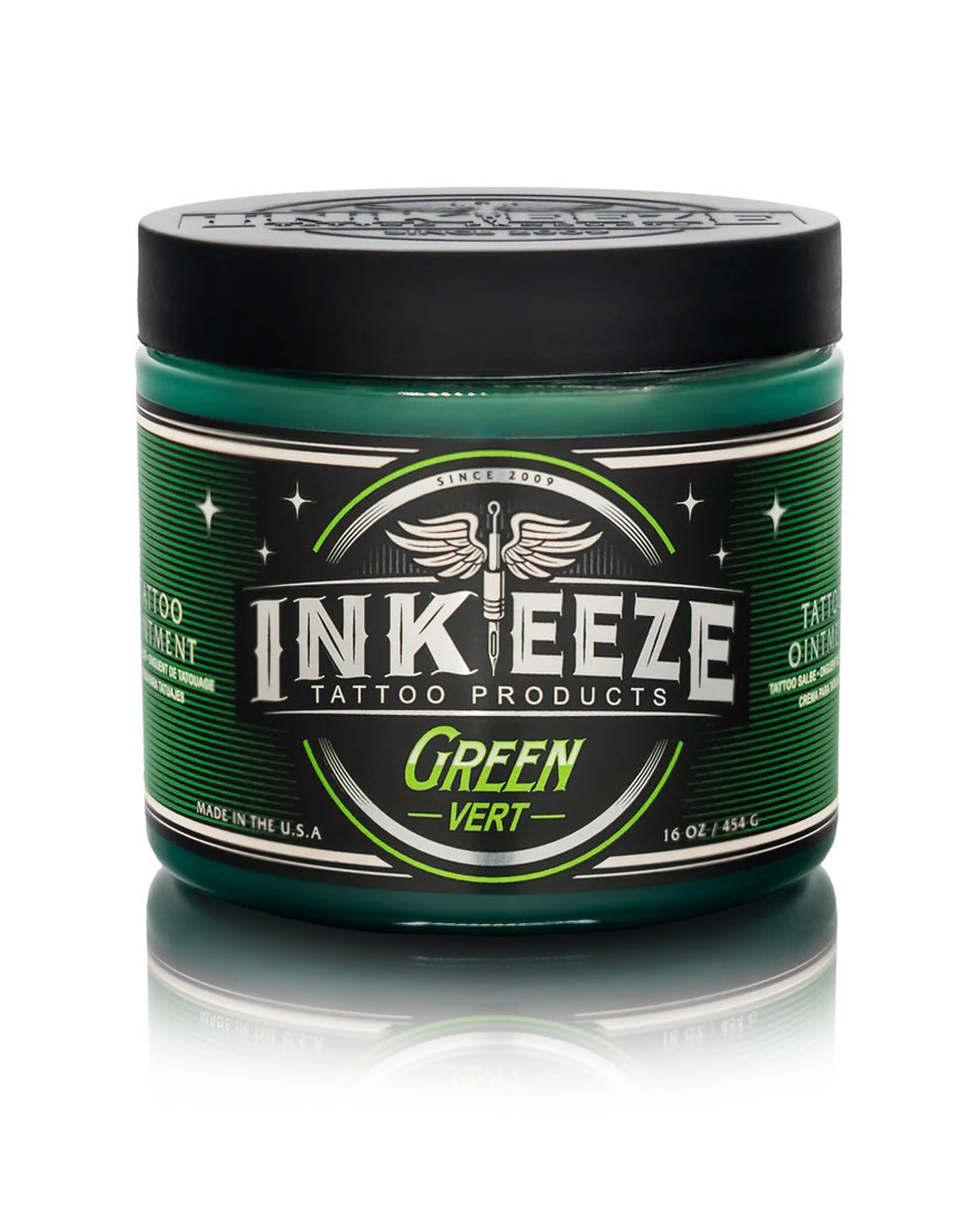
Proper aftercare plays a major role in how a tattoo settles. Many artists recommend reliable options such as A&D Tattoo Aftercare Ointment, Inkeeze Green Tattoo Ointment, Inkeeze Purple Tattoo Ointment, Inkeeze Black Tattoo Ointment, Inkeeze Pink Tattoo Ointment, and Inkeeze Mutant Serum Tattoo Ointment. For clients who prefer a balm-style product, Hustle Butter Deluxe Tattoo Balm and Inkeeze Hi-Definition Tattoo Balm are also widely used choices.
Exploring a complete tattoo aftercare collection helps ensure consistent healing and reduces the likelihood of uneven fading that may require additional correction.
Color Tattoos vs. Black and Grey
Not all tattoos age the same way.
Why black ink lasts longer
Black and darker tones tend to hold depth better over time.
They create strong contrast and remain readable even as the skin changes.
Color tattoos need more attention
Lighter colors and softer shades can lose intensity faster.
This doesn’t mean color tattoos are a bad choice. It simply means they may benefit from occasional refreshing to keep their original impact.
Climate and Daily Life Play a Role
Where and how you live affects how your tattoo looks years later.
Cold, dry climates
Long winters and dry indoor air can make skin feel tight and dull.
Over time, this environment can subtly affect how ink appears, especially if the skin isn’t cared for consistently.
Sun and exposure
Sunlight remains one of the biggest factors in long-term fading.
Tattoos that spend a lot of time exposed often show wear sooner than those that stay covered.
Movement and friction
Areas that bend, stretch, or rub against clothing naturally experience more change.
This is especially true for hands, feet, elbows, and areas with constant motion.
Touch-Up Culture in Tattooing
Touch-ups are part of professional tattoo culture.
Artists expect them
No two bodies heal the same way.
Most experienced artists plan for the possibility of refinement, especially with detailed or color-heavy designs.
Why returning to your original artist matters
The original artist understands the design, technique, and intention behind the tattoo.
This makes adjustments cleaner and more consistent than starting over with someone new.
How to Extend the Time Between Touch-Ups
While touch-ups are normal, good habits can slow the process.
Consistent skin care
Keeping tattooed skin comfortable and balanced helps preserve how ink appears over time.
Mindful exposure
Covering tattoos when possible and being aware of long exposure to harsh elements makes a difference.
Quality work from the start
Strong designs, confident lines, and experienced artists age better.
Longevity starts at the first session.
Final Take
A tattoo needing a touch-up doesn’t mean it failed.
It means it lived.
Touch-ups are part of respecting your ink, your artist’s work, and the story your tattoo continues to tell.
Knowing when to refresh it helps keep that story clear for years to come.