Getting a tattoo in winter feels different. Not better or worse — just different. Cold air, indoor heating, layered clothing, and shorter days all shape how your tattoo settles into your skin.
For many people in Canada and colder regions, winter actually becomes the preferred season for new ink — quieter, slower, and easier to manage.
But winter also asks for a slightly different approach to tattoo aftercare.
Key Takeaways
- Winter can support tattoo settling when handled consistently.
- Dry air and indoor heating are the biggest seasonal challenges.
- Moisture balance and clothing choices matter more in cold months.
- Protective films can simplify winter routines.
Why Winter Changes the Tattoo Experience
The quiet advantage of cold months
Winter naturally removes some of the biggest distractions that come with fresh tattoos.
There’s less sun exposure, fewer outdoor activities, and far less temptation to swim or spend hours in heat. Daily life becomes more predictable, which is exactly what a new tattoo appreciates.
Winter Benefits for Fresh Tattoos
Despite common assumptions, cold weather can actually support a smoother tattoo experience when handled thoughtfully.
Less sun, less exposure
Winter clothing naturally covers most of the body.
This means fresh tattoos spend less time exposed to direct sunlight and environmental elements. Long sleeves, pants, and layers create a built-in buffer without extra effort.
Lower friction from lifestyle
During winter, routines slow down.
There’s usually less sweating, fewer outdoor workouts, and more time indoors. This creates a calmer environment for your tattoo to settle without constant movement or exposure.
A season built for patience
Winter encourages rest.
Shorter days and colder weather naturally lead to more downtime, which aligns well with the early stages of tattoo care.
Where Winter Becomes Challenging
Cold months bring advantages, but they also introduce a few challenges that deserve attention.
Dry air and indoor heating
Winter air holds less moisture, especially in Canada and northern regions.
Indoor heating systems can make the environment even drier. Skin may feel tight faster, and tattoos can appear dull or uncomfortable if not cared for consistently.
Cold wind and outdoor exposure
Strong wind and freezing temperatures can be harsh on exposed skin.
Fresh tattoos should be protected from extreme cold, not because of danger, but because dryness and irritation can slow the settling process.
Clothing friction
Heavy winter clothing can rub against certain placements.
Tight cuffs, waistbands, boots, or layered seams may cause unnecessary irritation if they press directly against a fresh tattoo.

Winter Aftercare: Practical Best Practices
Winter tattoo care is less about adding complexity and more about consistency.
Moisture becomes the priority
Cold weather demands regular moisturizing.
Not heavy layers, not overdoing it — just consistent, light application whenever the skin feels dry or tight.
Indoor humidity matters
Using a humidifier at home can make a noticeable difference.
Balanced air moisture supports overall skin comfort and prevents excessive dryness caused by constant heating.
Clothing choices make a difference
Loose, breathable fabrics help reduce friction.
Soft cotton layers placed directly over the tattoo work well under heavier winter clothing. The goal is protection without pressure.
Let the skin breathe indoors
When you’re at home, give your tattoo space.
Removing heavy layers allows airflow and reduces prolonged contact with fabric.
Gentle daily care stays important
Even in winter, regular gentle cleaning remains part of the routine.
Cold weather doesn’t replace consistency — it simply changes the environment around it.
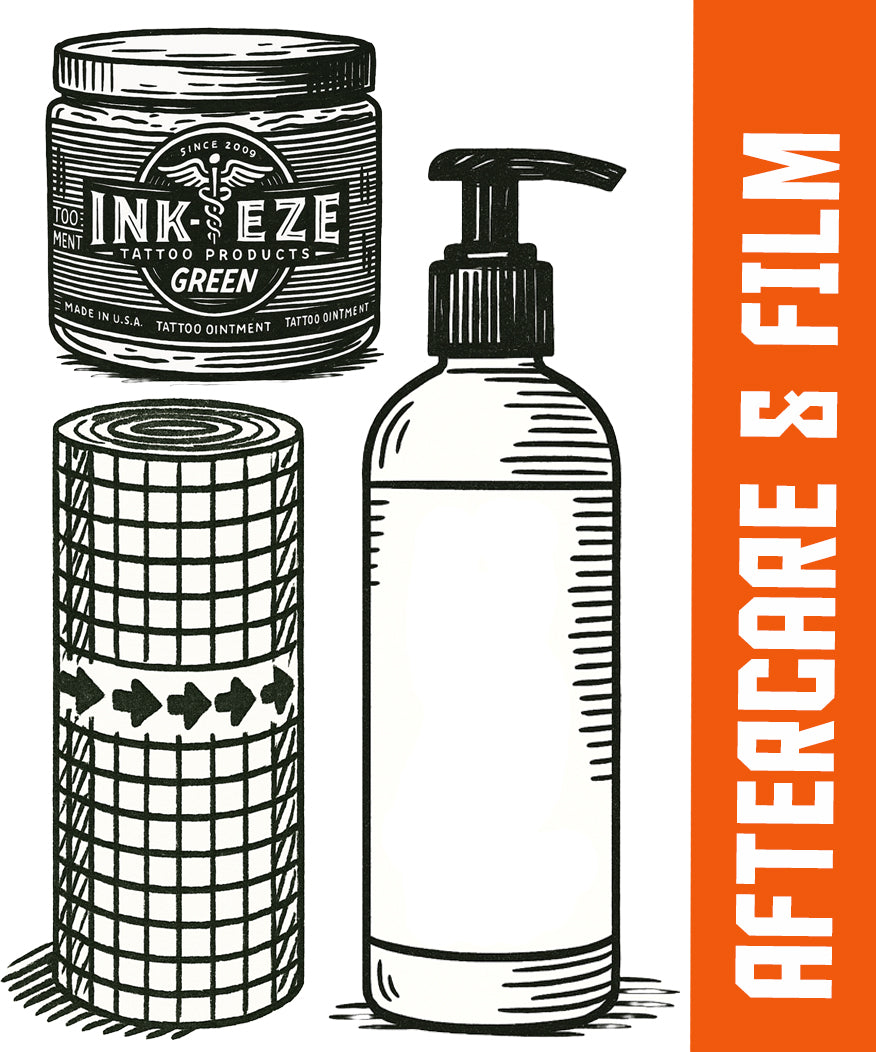
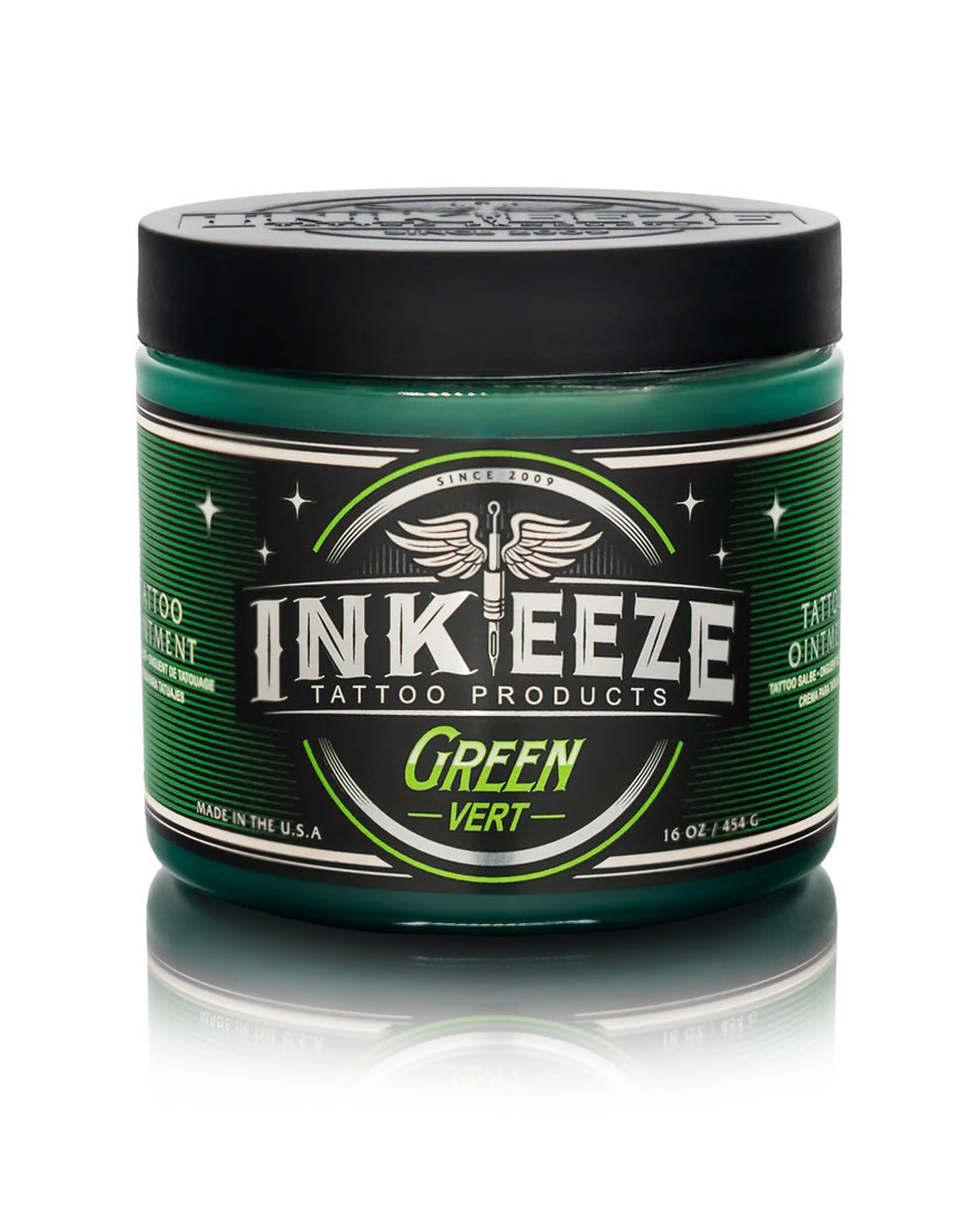
To support daily care, many artists and clients rely on trusted options such as Inkeeze Mutant Serum Tattoo Ointment, Inkeeze Black Tattoo Ointment, Inkeeze Purple Tattoo Ointment, and Inkeeze Pink Tattoo Ointment. For more traditional formats, A&D Tattoo Aftercare Ointment remains a familiar studio staple, while Hustle Butter Deluxe Tattoo Balm and Inkeeze Hi-Definition Tattoo Balm offer balanced daily hydration without overwhelming the skin.
Consistent, lightweight application — even during colder months — helps maintain a steady healing rhythm from fresh work to fully settled results.

Protective Films and Winter Convenience
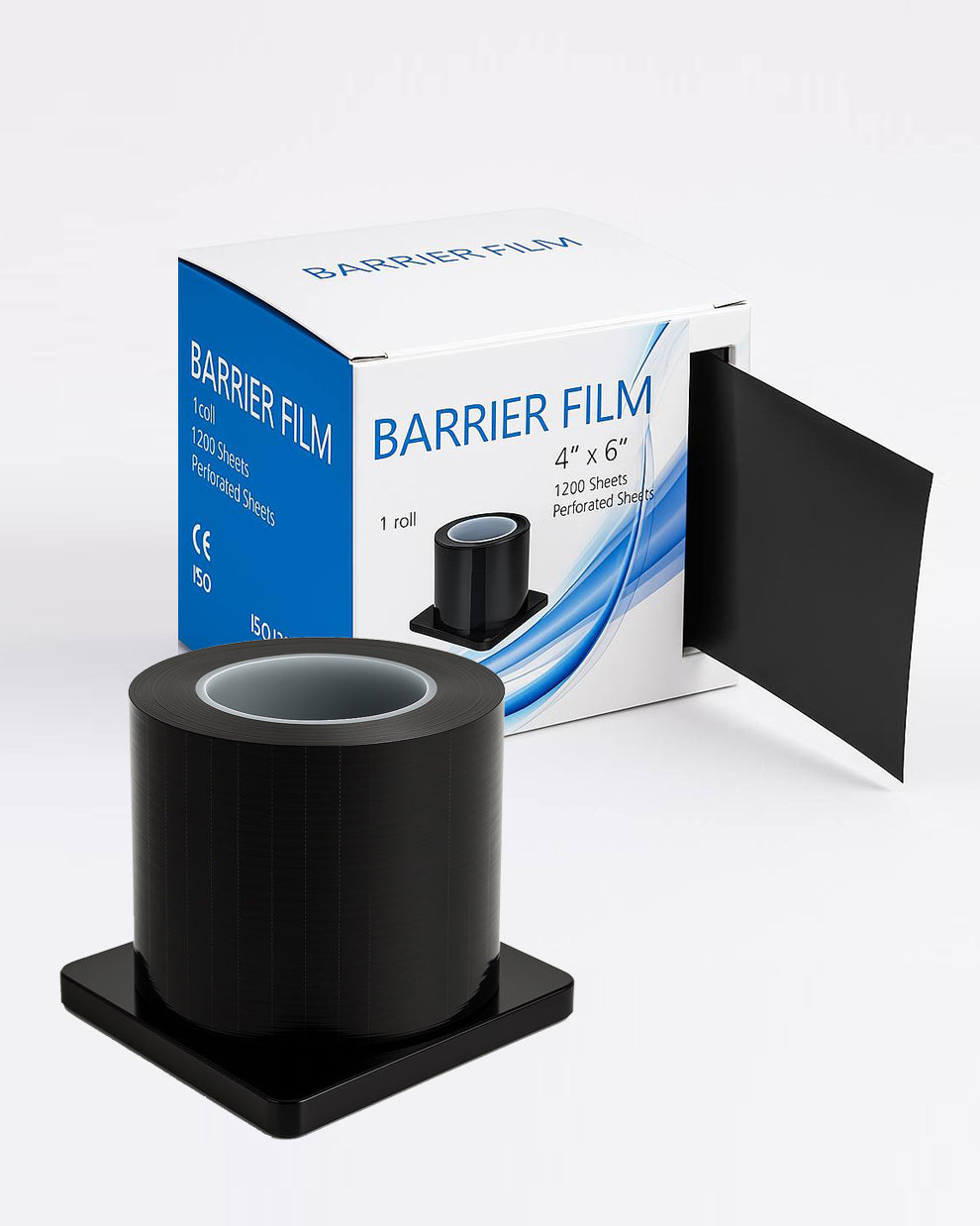
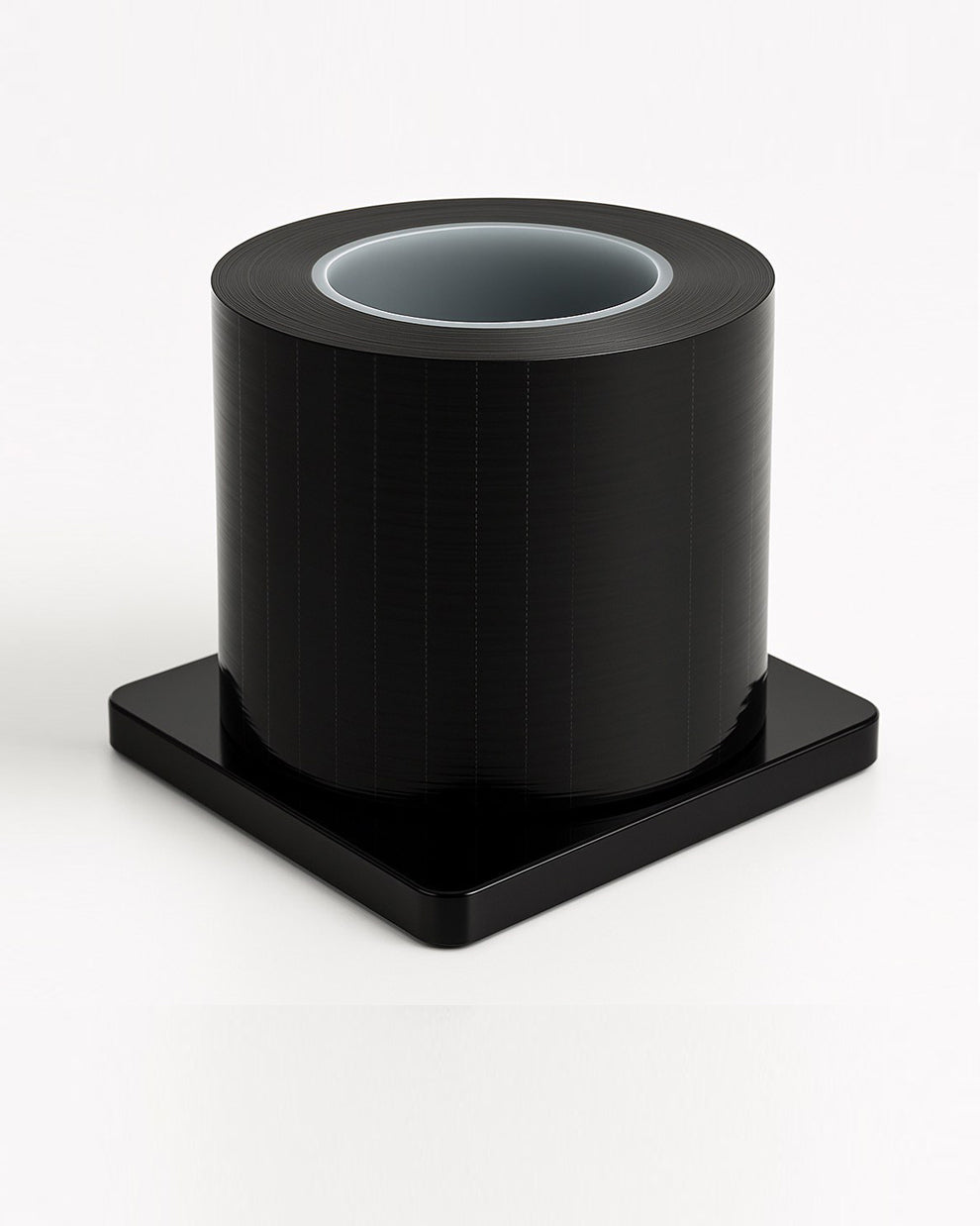
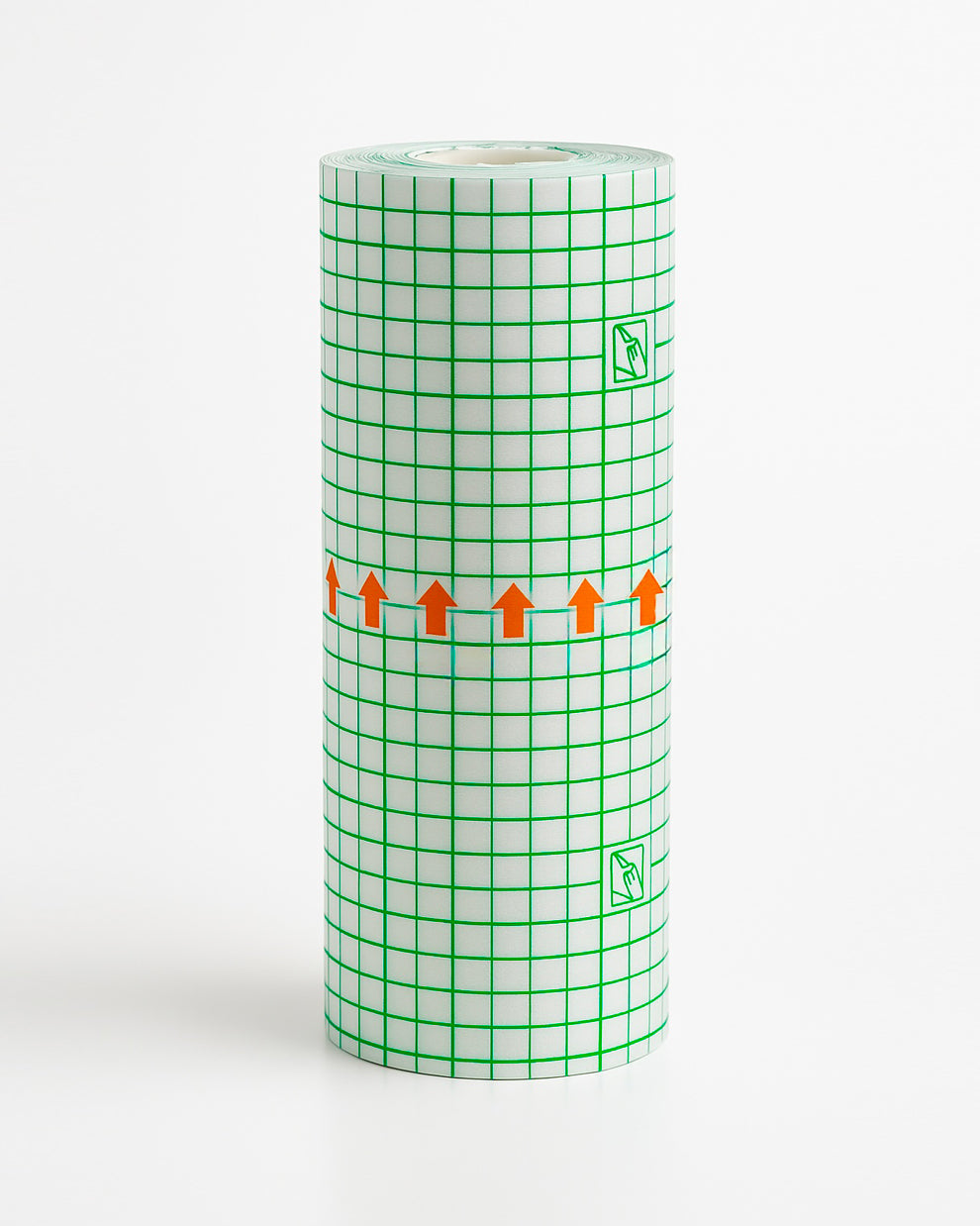
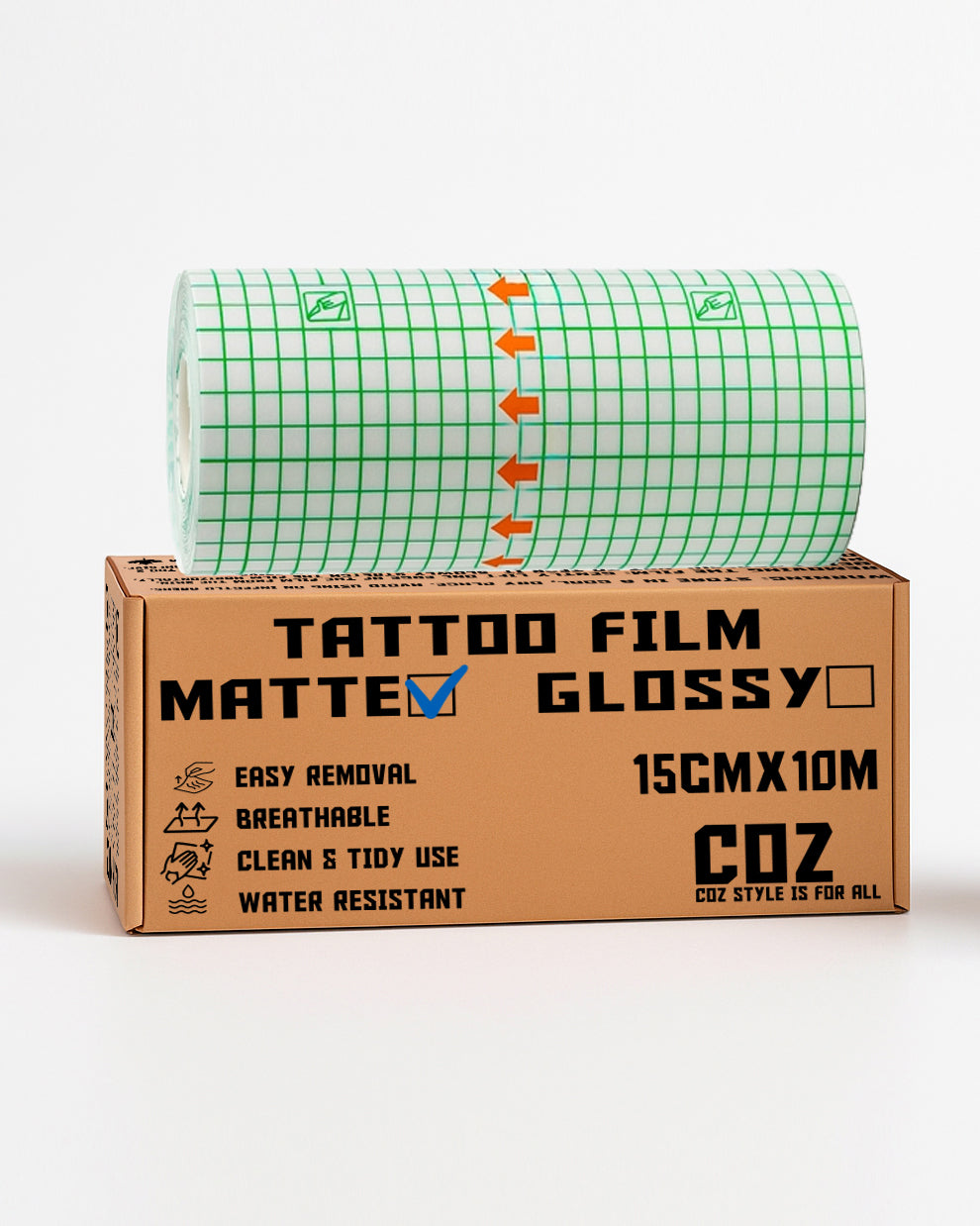
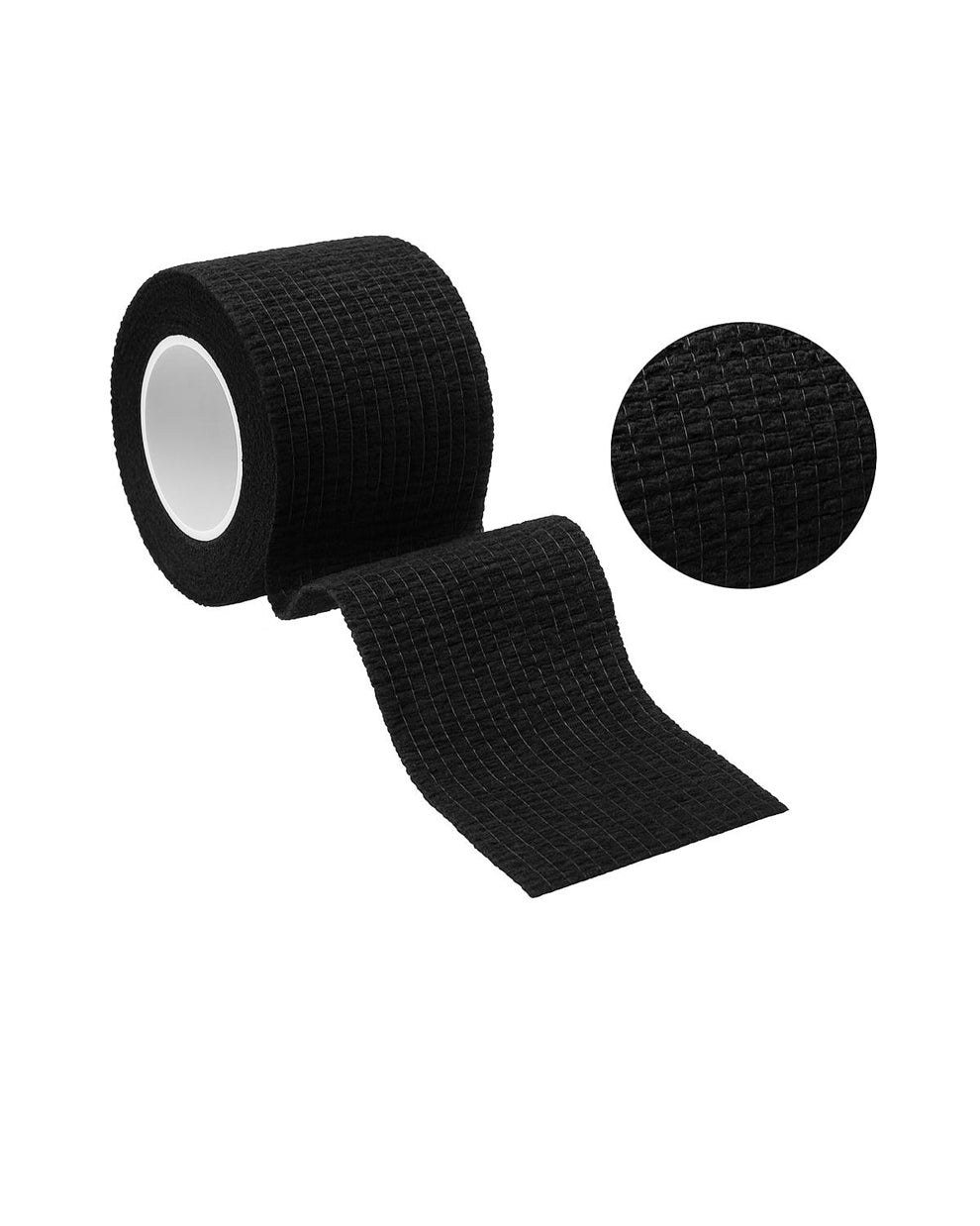
Many people choose protective tattoo films during winter.
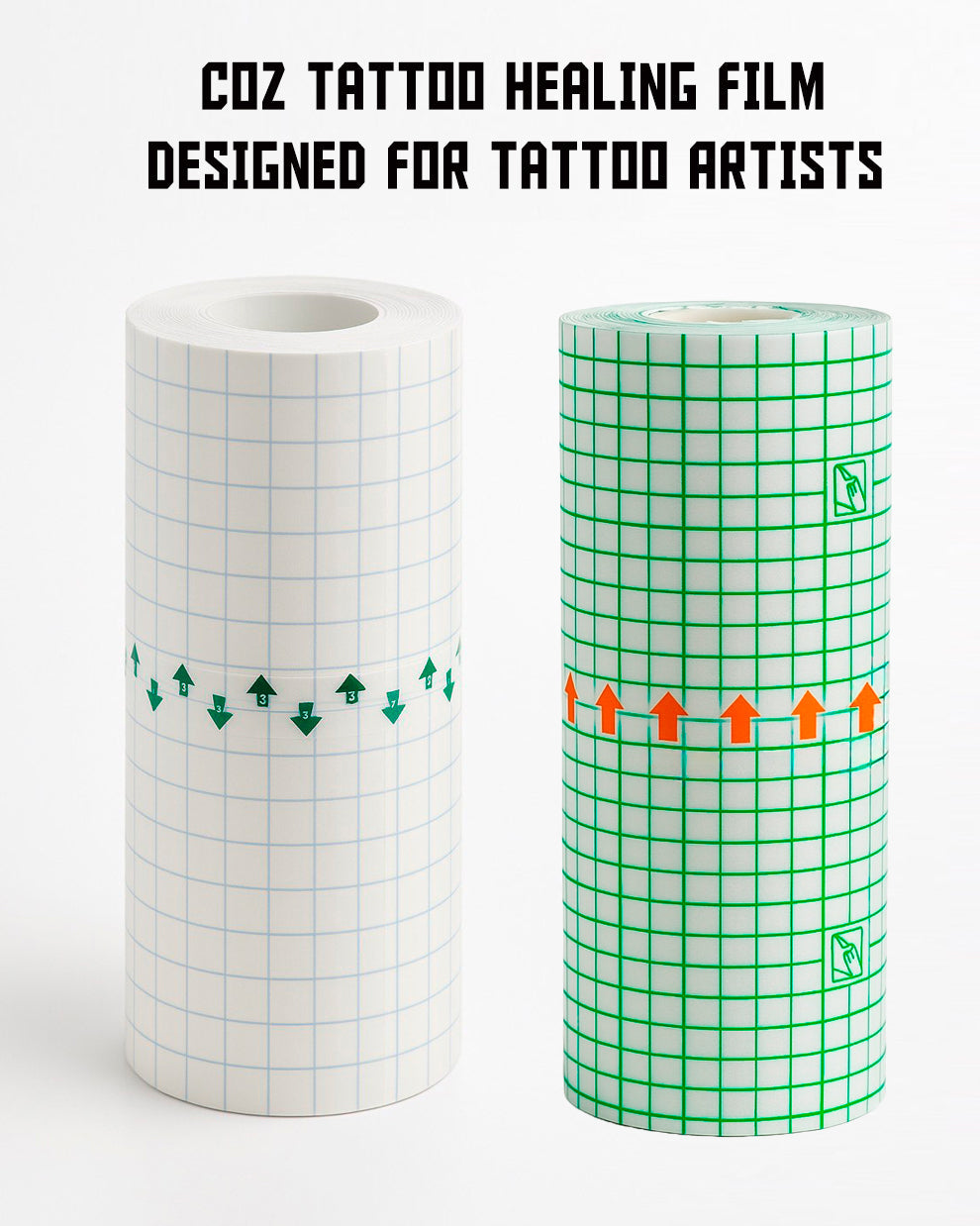
These transparent coverings create a barrier between the tattoo and dry air, clothing friction, and daily movement.
Why they’re popular in cold months
Protective films reduce direct contact with clothing and help maintain a stable environment during the early phase.
They simplify daily routines and can be especially useful when layering clothes is unavoidable.
Following your artist’s guidance
If protective film is used, timing and instructions matter.
Every artist approaches this differently, and personal comfort always comes first.
Winter Lifestyle Choices That Support Tattoos
Cold seasons already encourage habits that align well with tattoo care.
Rest and routine
Winter naturally slows things down.
More rest, less rushing, and fewer external demands give your body space to focus on recovery.
Balanced daily habits
Staying hydrated, eating well, and maintaining regular routines support how tattoos settle over time.
Nothing extreme — just consistency.
Why Many People Prefer Winter Tattoos
In colder regions, winter is often considered “tattoo season.”
Clients book larger pieces, artists focus on long sessions, and the environment supports a more controlled experience.
By the time warmer months arrive, tattoos are already settled and ready to be shown.
Final Take
Winter doesn’t make tattoos harder — it makes them different.
With awareness, gentle care, and thoughtful habits, cold weather can actually be a supportive backdrop for new ink.
Dry air, heavy clothing, and indoor heat simply ask for balance and attention.
Approach winter tattoo care with patience, and your tattoo will settle quietly — ready for whatever season comes next.