Winter doesn’t just change how people feel about getting tattooed. It changes how tattoo supplies behave.
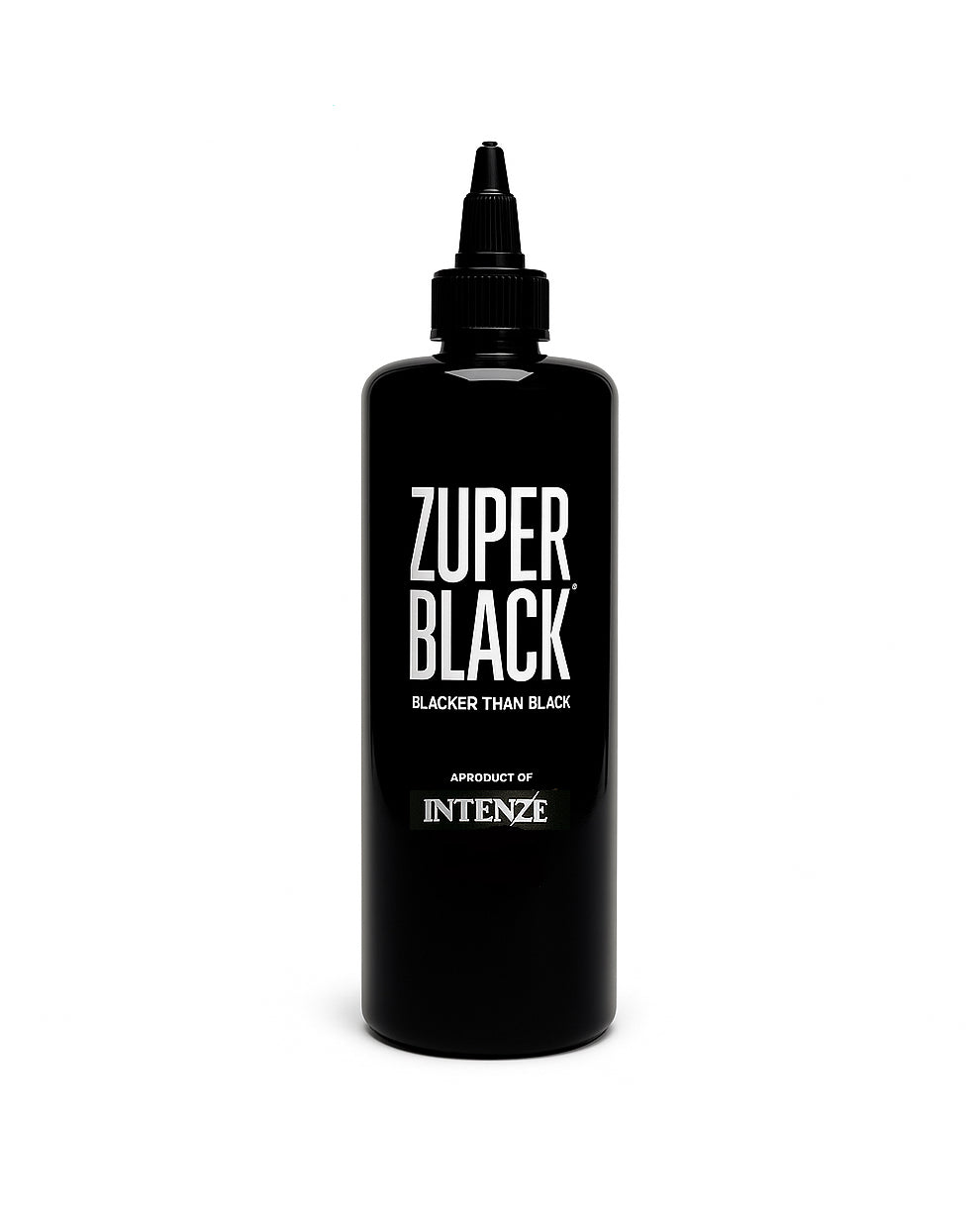
Tattoo ink is a carefully balanced material. Pigments, carriers, and stabilizers are designed to work together within a specific environment. When winter temperatures drop too low, that balance can quietly break.
Proper winter storage isn’t about perfection. It’s about preventing avoidable damage.
Key Takeaways
- Freezing temperatures can permanently alter tattoo ink consistency.
- Room temperature storage is essential during winter months.
- Shipping and vehicle storage are the highest-risk moments.
- When in doubt, discard compromised ink.
Why Winter Storage Matters More Than You Expect
Cold weather is not neutral for tattoo ink
In cold climates, especially across Canada and the northern U.S., sub-zero temperatures can appear suddenly and stay longer than expected.
Ink doesn’t need to be fully frozen to be affected. Even prolonged exposure to near-freezing conditions can change texture, consistency, and performance.
Understanding Safe Temperature Ranges
Tattoo ink performs best in a stable, moderate indoor environment.
Room temperature is the goal
Most manufacturers recommend storing tattoo ink at standard room temperature.
This range allows pigments to remain evenly suspended and keeps the ink flowing as intended during use.
Why freezing is the real enemy
Once ink freezes, expansion can stress the bottle, weaken seals, and disrupt the internal structure of the ink.
Even if the bottle appears intact after thawing, internal separation or texture changes may already have occurred.
How Freezing and Cold Exposure Can Damage Ink
Cold damage isn’t always obvious at first glance.
Texture and consistency changes
Ink exposed to extreme cold may become thicker, grainy, or uneven.
In some cases, pigments settle in a way that can’t be fully corrected by shaking.
Pigment separation
Temperature stress can cause pigments to separate from the carrier liquid.
This can lead to inconsistent saturation, uneven application, and unpredictable results.
Bottle and seal damage
Plastic bottles can become brittle in cold conditions.
Freezing temperatures may cause caps to loosen, seals to fail, or bottles to crack — even if the damage isn’t immediately visible.
Best Practices for Winter Ink Storage
Preventing damage is far easier than fixing it.
Store ink in a stable interior space
Always keep tattoo ink in a heated indoor area.
Avoid placing bottles near windows, exterior walls, doors, or uninsulated floors where cold air can settle.
Cabinets work better than open shelves
Closed cabinets help buffer temperature changes.
They protect ink from overnight cold drops and sudden drafts caused by doors opening.
Avoid unheated spaces completely
Never store ink in garages, basements without heating, vehicles, or storage units during winter.
Cars are one of the most common places where ink accidentally freezes.
Be careful with heat sources
While cold is dangerous, direct heat isn’t the solution.
Do not place ink near heaters, radiators, or vents. Rapid temperature swings are just as harmful as freezing.
Let cold ink warm naturally
If ink arrives cold but not frozen, allow it to reach room temperature slowly.
Avoid hot water, microwaves, or heating pads. Patience protects the ink’s structure.
Shipping and Transport During Winter
Winter shipping is one of the highest-risk moments for tattoo ink.
Bring deliveries inside immediately
Ink left on a porch, in a mailbox, or in a delivery truck overnight can freeze quickly.
Always plan to receive winter shipments promptly.
Use insulated transport when traveling
If you travel with ink, use insulated cases.
Never leave ink in a vehicle overnight during cold weather.
Check ink after winter transport
If ink was exposed to cold, inspect it carefully before use.
Look for unusual separation, clumping, texture changes, or damaged seals.
When to Discard Ink
Not every bottle can or should be saved.
Clear signs something is wrong
Persistent separation that won’t remix.
Grainy or jelly-like texture.
Cracked bottles or loose caps.
Any ink that looks or behaves differently than expected.
When in doubt, don’t risk it
Ink is replaceable.
Your work, your reputation, and client trust are not.
Why Winter Storage Is Part of Professionalism
Proper ink storage isn’t just about product care. It’s about responsibility.
Professional tattooing means controlling as many variables as possible — especially the ones that can be prevented.
Cold weather doesn’t excuse shortcuts
Winter demands more awareness, not less.
Artists who plan for seasonal challenges protect both their tools and their craft.
Final Take
Winter doesn’t have to damage tattoo ink.
With consistent temperature control, smart storage choices, and careful handling, inks remain stable, predictable, and ready for use all season long.
Protecting your ink means protecting your work.
And in winter, that protection starts with preparation.
Sources and context
This article is informed by manufacturer storage guidelines, professional tattoo artist recommendations, and real-world winter storage experiences shared across the tattoo community.
Accessibility note
Clear headings, simple language, and structured sections are used to support readability and screen-reader navigation.