How Long Does It Take for a Tattoo to Heal? (Realistic Timeline, Easy Aftercare)
You did it. You sat like a champ, your artist wiped you down, and now you’re staring at that gorgeous fresh ink thinking: “Okay… when is this thing actually healed?”
Short answer: the outside usually looks healed in 2–4 weeks. The inside (where the ink lives) keeps settling for 6–8 weeks, sometimes longer. That’s normal. A tattoo is controlled skin trauma; your body just needs time to rebuild.
Below is a friendly, no-BS guide to the actual healing timeline, what speeds it up (or slows it down), and how to handle common annoyances like itching, peeling, and the “why does it look dull?” phase. I’ll also drop a few pro tips and products artists in North America love using—subtle, practical, no hard sell.
Quick answer first
-
Days 1–3: puffy, warm, a little oozy (plasma + a bit of ink).
-
Days 4–7: light scabbing, tightness, tenderness.
-
Week 2: serious itchapalooza; thin flakes shed like a sunburn.
-
Week 3: looks matte/dull, feels dry; most flakes are gone.
-
Week 4: outer skin is basically closed and calm.
-
Weeks 6–8: deeper layers finish knitting together; the tattoo “settles” and looks crisp.
Big picture: your tattoo can look “fine” at week 3–4, but it still benefits from gentle care for another month.
Why your friend’s tattoo healed faster than yours
Healing speed isn’t a personality trait—it’s a stack of variables:
-
Size & saturation. Big pieces and heavy color packing = more micro-trauma, more time.
-
Placement. Joints (elbow, wrist, ankle), friction zones (waistband, foot), and thin skin areas tend to be slower.
-
Skin & health. Hydration, sleep, nutrition, smoking, meds, and skin conditions all matter.
-
Aftercare routine. Clean + moisturized + protected beats “winging it” every time.
-
Environment. Heat, sun, dusty work sites, gym bacteria—these can irritate or infect healing skin.
The healing journey (week by week)
Week 1: The fresh-outta-the-chair phase
What you’ll see: redness, mild swelling, warmth, and a glossy surface. Some seepage is normal the first day—that’s plasma doing its job. By day two, a thin protective film (not plastic—your skin’s film) begins to form.
How to treat it:
-
Wash gently 2–3×/day with lukewarm water and a fragrance-free soap (hands only, no loofahs).
-
Pat dry with clean paper towel.
-
Moisturize thinly. Think “sheen,” not “glaze.”
-
Air + loose clothes. Let it breathe; avoid tight sleeves and rough fabrics.
Pro gear that helps:
-
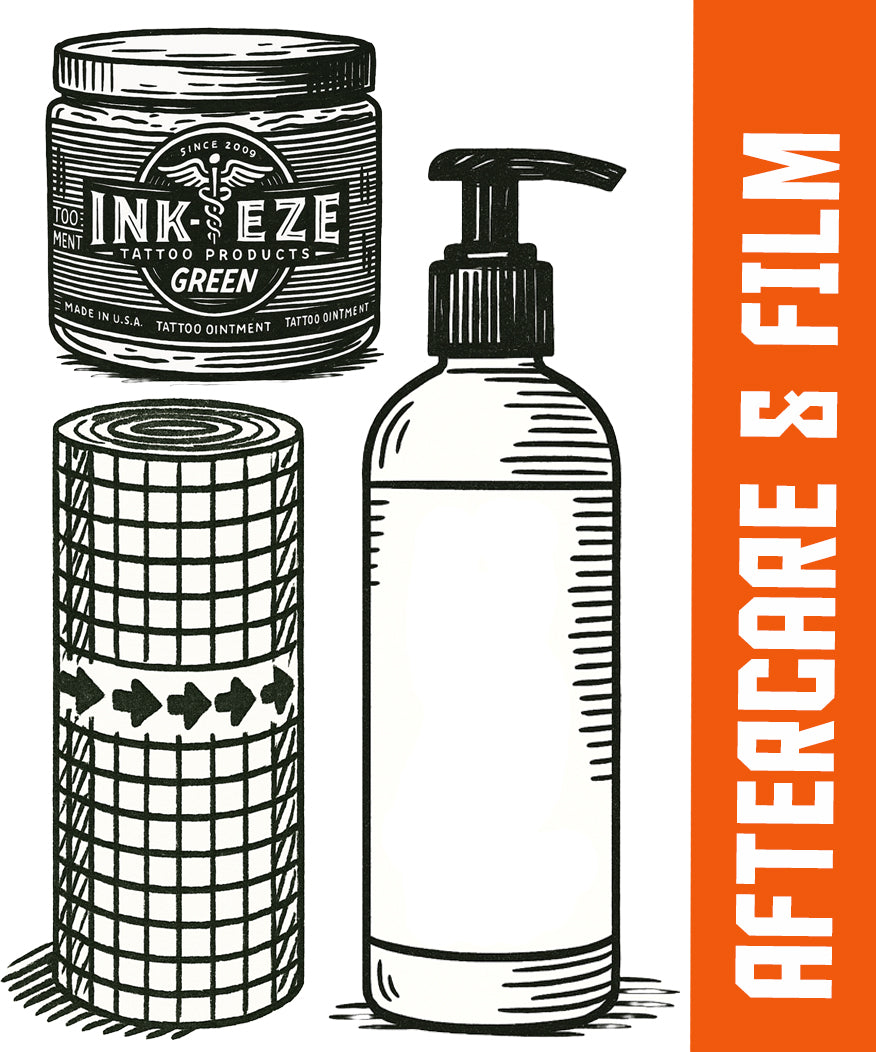
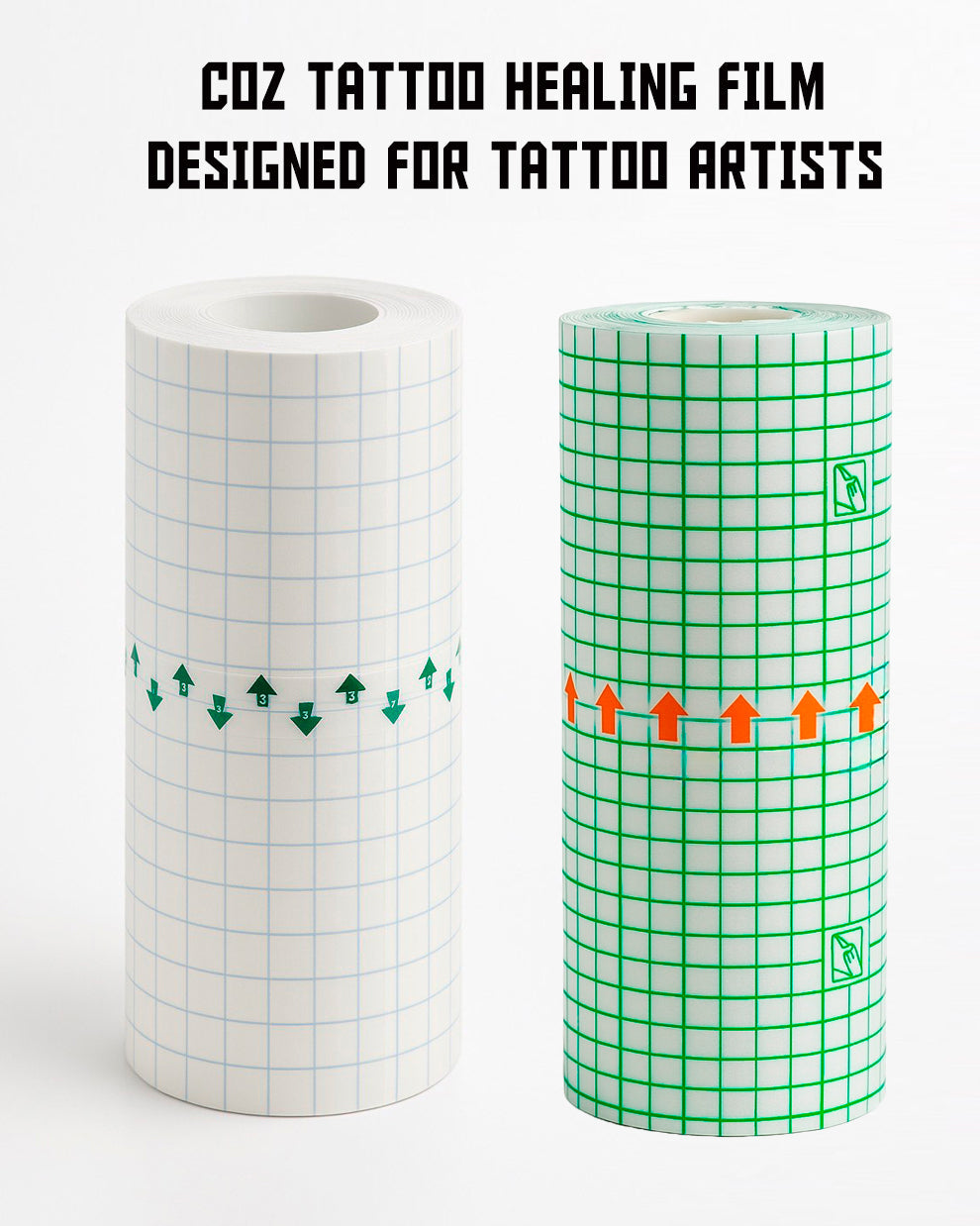
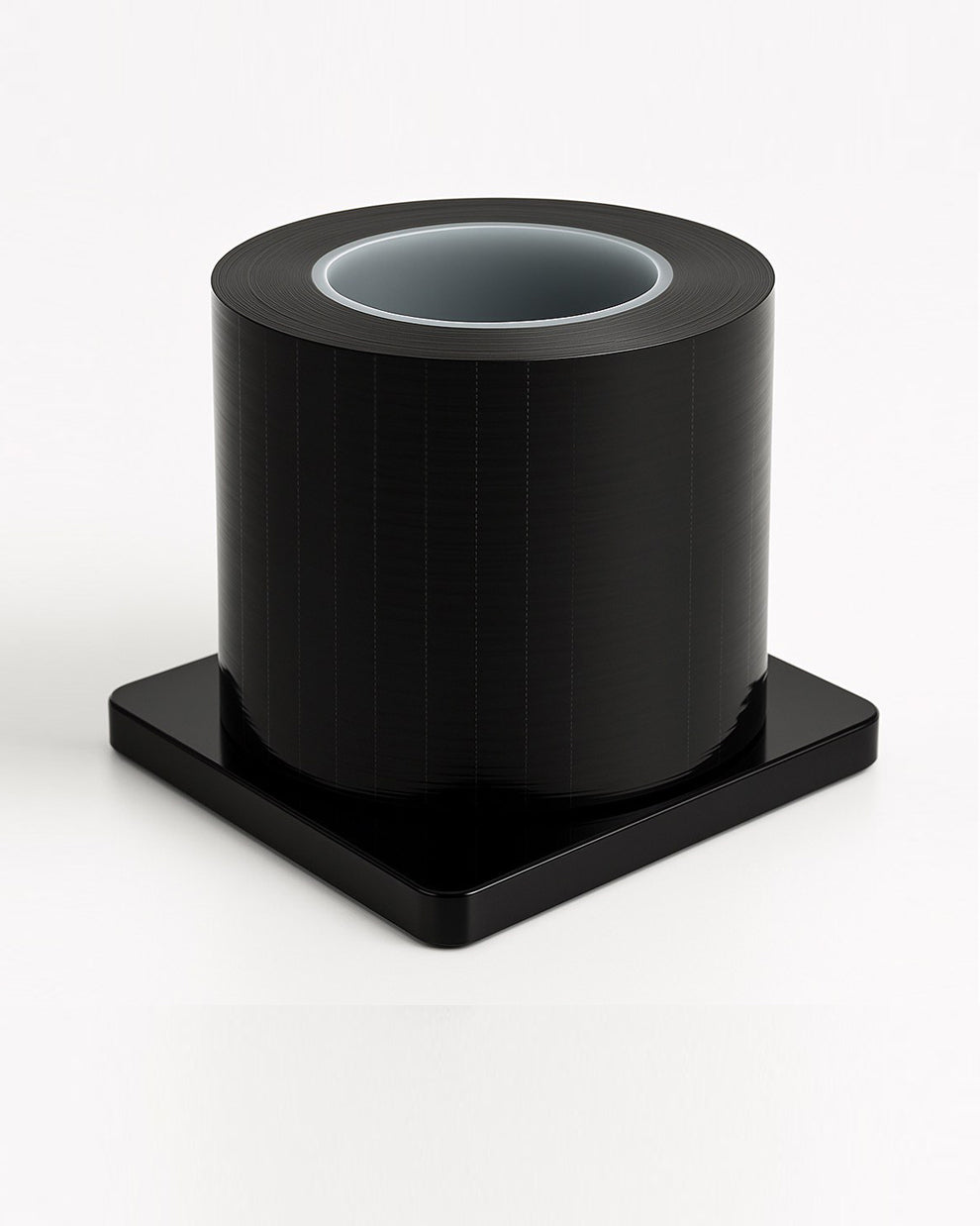
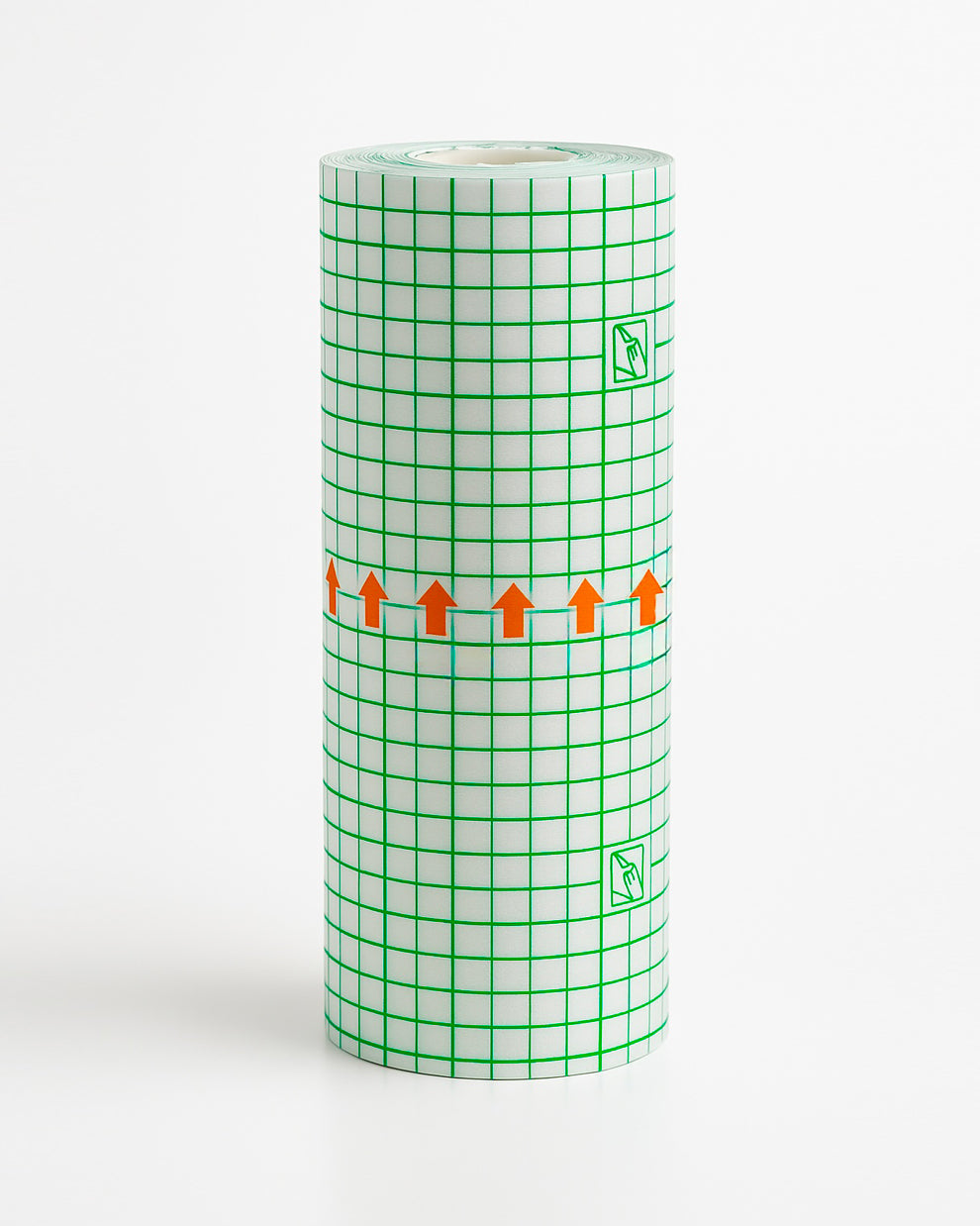
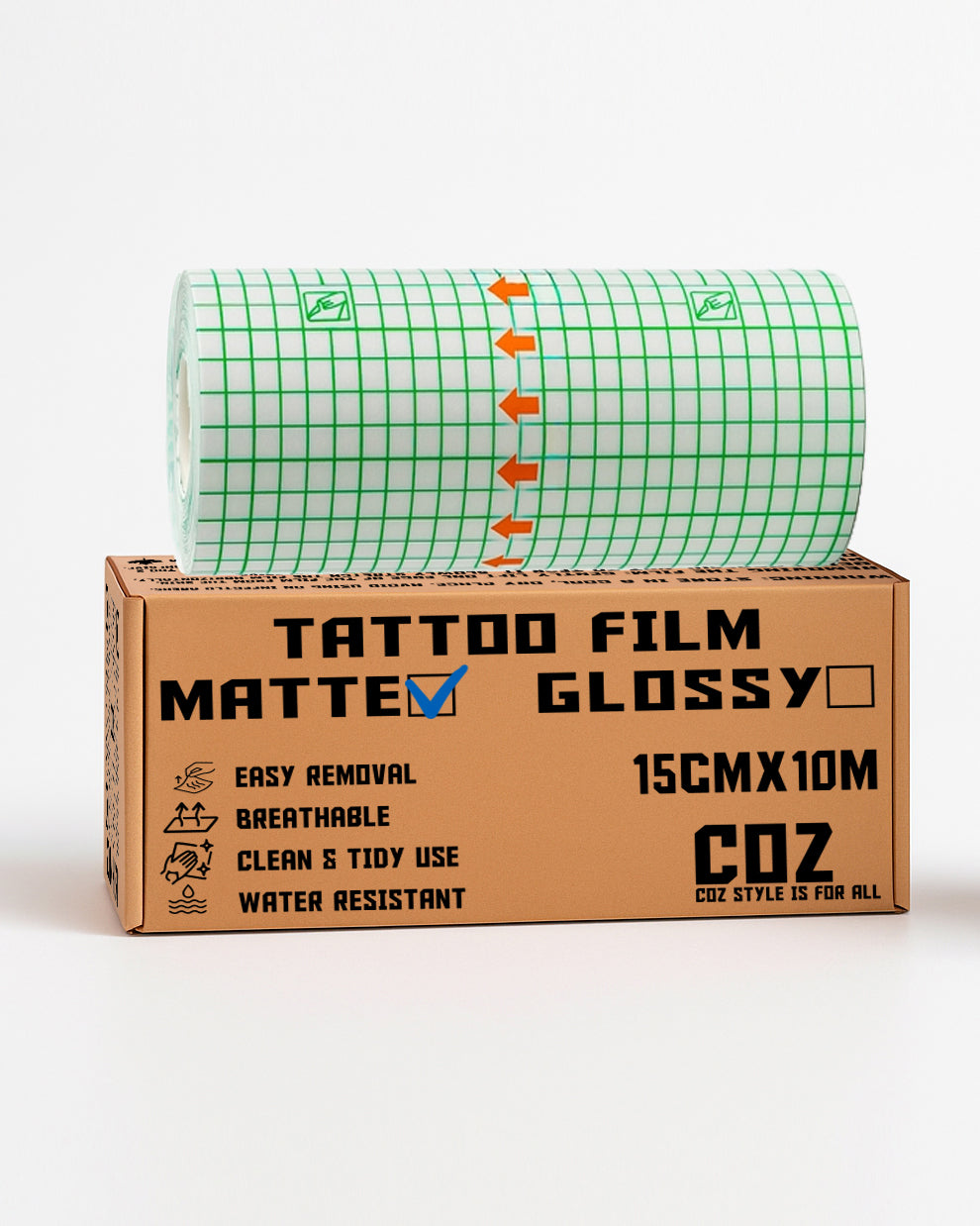
A second-skin bandage for the first 24–48h can reduce friction and keep out grit. If you like that method, artists often reach for COZ Tattoo Film – Standard Glossy (easy on/off) or COZ Tattoo Film – Premium Matte (low-glare, comfy under clothes):
• https://coztattoosupplies.ca/collections/tattoo-supplies/products/coz-tattoo-film-standard-glossy-second-skin-care-bandage
• https://coztattoosupplies.ca/collections/tattoo-supplies/products/coz-tattoo-film-premium-matte-second-skin-care-bandage -
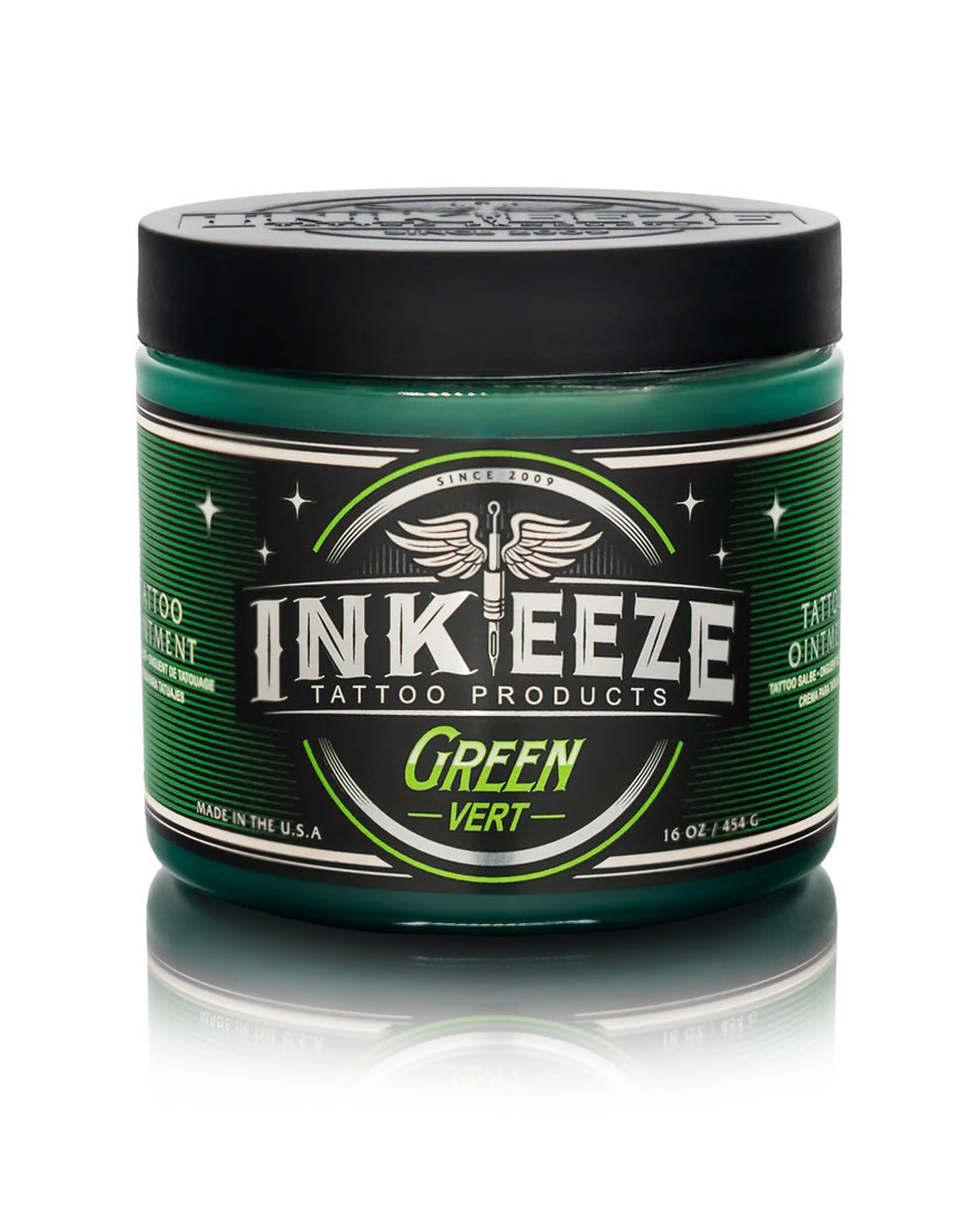
For a light, protective layer after washing, many folks like individual packs of A&D aftercare (handy, sanitary):
• https://coztattoosupplies.ca/collections/tattoo-supplies/products/tattoo-aftercare-ointment-100pcs-a-d-cream
Week 2: The itchy, flaky, “don’t touch it” phase
What you’ll see: thin scabs and tissue-paper flakes lifting off. The tattoo can look spotty or cloudy—totally normal. Do not pick. Picking is the #1 way to pull ink and create light patches.
How to treat it:
-
Keep washing 1–2×/day.
-
Moisturize 2–3×/day (thin layers).
-
If the itch is wild, cool the area with clean water or gently tap—don’t scratch.
Week 3: The dull film phase
What you’ll see: the outer layer is mostly done, but color looks muted, almost frosted. That’s a micro-layer of old skin. It fades as the weeks pass.
How to treat it:
-
Daily wash + lotion.
-
Start sun protection if you’ll be outside—long sleeves/cloth first; once the skin is fully closed, move to sunscreen.
Week 4: Surface healed
What you’ll see: texture returns to “normal skin.” Lines look clear; color improves. You can typically resume most routines—with common sense about sun and water (more on that below).
Weeks 6–8: Fully settled
The deeper stuff finishes. If you had heavy color or a large piece, this is when saturation looks its best. Any residual dryness or micro-sheen usually disappears.
Aftercare that actually works (and what to skip)
Do:
-
Wash with gentle soap, pat dry, moisturize lightly.
-
Sleep on clean sheets; wear clean, loose clothing.
-
Hydrate, eat decently, get sleep—your skin is rebuilding.
-
Use disposable nitrile gloves when cleaning or re-wrapping in a messy environment (studio pros like TouchFlex Powder-Free for a reason).
Don’t:
-
Don’t soak (baths, hot tubs, pools, lakes) until skin is fully closed.
-
Don’t tan or bake it in direct sun; UV is fade fuel.
-
Don’t slather heavy petroleum layers that suffocate the skin.
-
Don’t scratch or pick. If a shirt sticks, wet it off—never rip.
When can I…? (realistic timelines)
-
Swim / soak: wait 2–3 weeks minimum and only when there are zero scabs/flakes. Rinse with clean water after the first dip.
-
Work out hard: mild movement after day 2 is fine; heavy sweat, stretching, grappling, or contact sports—give it 7–14 days depending on size/placement.
-
Sun: cover for the first 2 weeks; once closed, SPF every single time. This is how you keep blacks black and colors bright.
Why tattoos look “dull” while healing
That cloudy, desaturated look in week 3 is a light veil of healing tissue. As the new epidermis flattens and clears, color pops back. Resist the urge to scrub—it will clear on its own. If, after 8 weeks, you still see patchiness or gaps, book a quick touch-up with your artist (often included).
Signs something’s off (and what to do)
Call your artist or a clinician if you see:
-
Spreading, hot redness after day 3–4
-
Thick yellow/green discharge or a bad odor
-
Fever or chills
-
Hives or intense, worsening itch (possible allergy)
Early advice prevents bigger problems. Most hiccups are solved by adjusting aftercare and keeping things clean.
Optional methods: second-skin vs. classic washing
You’ll hear two main approaches:
-
Second-skin method (24–48h initial cover, then switch to light lotion): Less friction, tidy, great for busy folks and clothing-rubbing zones.
-
Classic wash-and-air (no film—just gentle wash/dry/ointment from day 1): Simple and proven if you can keep the area clean and uncovered.
Both work. Pick the one your artist prefers for your specific piece and lifestyle. If you use film, change it with clean hands or gloves, and keep layers wrinkle-free.
Helpful supplies in one place:
-
Aftercare film (matte or glossy), A&D sachets, gloves, plus covers and sleeves for work or the gym:
• https://coztattoosupplies.ca/collections/tattoo-aftercare-film
• https://coztattoosupplies.ca/collections/tattoo-covers-and-sleeves
• https://coztattoosupplies.ca/collections/tattoo-accessories
Extra pro tips artists repeat (because they work)
-
Shower smart. Short, lukewarm, hand-wash. No pounding hot water jets on the tattoo.
-
No fabric friction. Swap scratchy denim or compression gear for loose cotton while healing.
-
Hands off. Every time you touch it, you add bacteria. Touch only to wash or moisturize—clean hands or gloves.
-
Moisture balance. Too dry = tight and cracky. Too wet = mushy scabs and risk of infection. Apply little, more often.
-
Think long game. Past week 4, sunscreen becomes your best tattoo friend. UV is the reason 10-year-old tattoos look 30.
Frequently asked mini-Qs
Will my tattoo peel a lot?
Usually it’s thin flakes, not thick scabs—unless the area got rubbed. Don’t pick; let gravity win.
Can I use regular body lotion?
Yes—unscented and simple is best. If it stings, switch. Individual A&D packets are convenient early on.
Why is my black tattoo kind of shiny in week 2–3?
New skin reflects light differently. It fades as the layers mature.
Is Vaseline okay?
Not for fresh tattoos—it’s too occlusive. Save heavy occlusives for fully healed skin if you need a shield from saltwater or wind.
For artists & serious hobbyists
If you’re on the artist side or building a pro kit, you’ll find studio-grade essentials here:
-
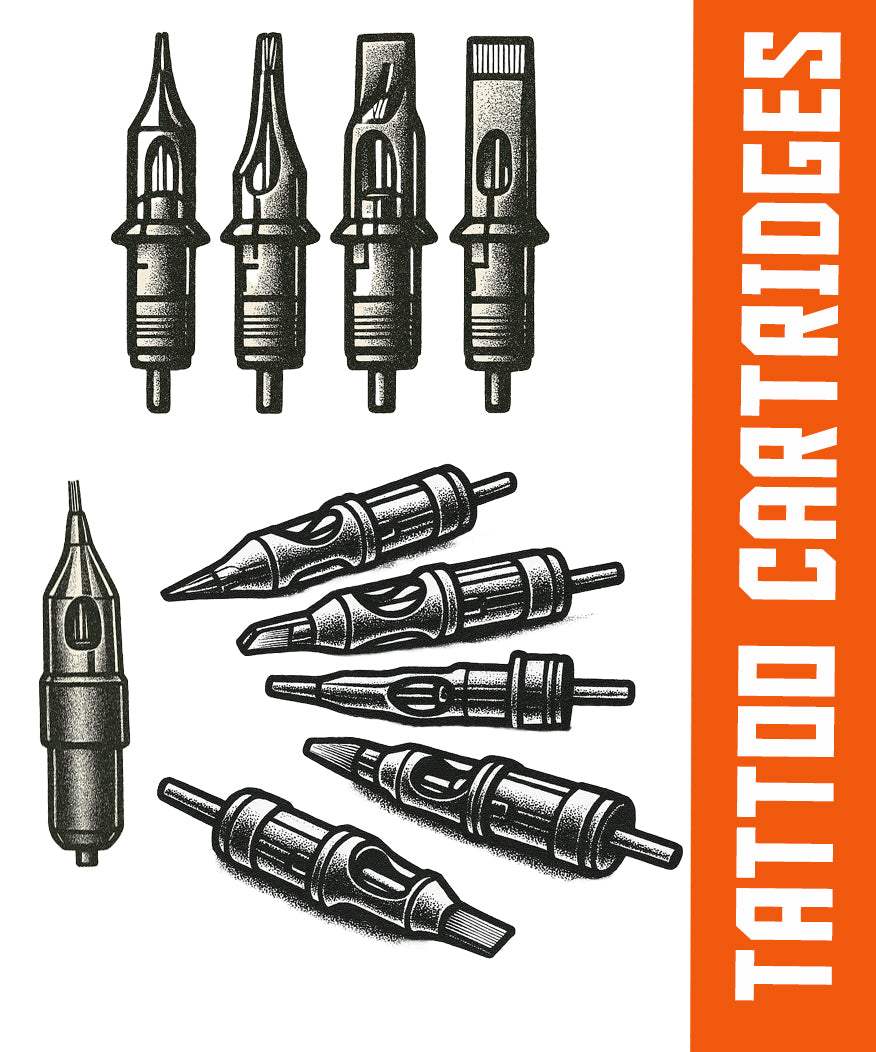
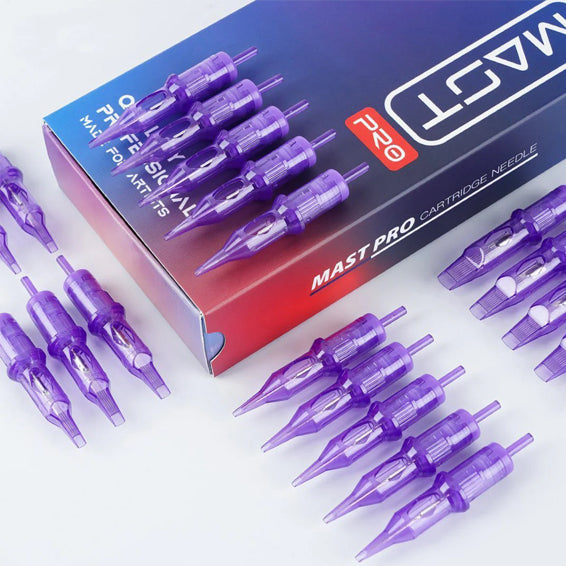
Cartridges: reliable groupings for lines, shades, and mags.
-
Ink: black and color sets used across Canadian and U.S. studios.
-
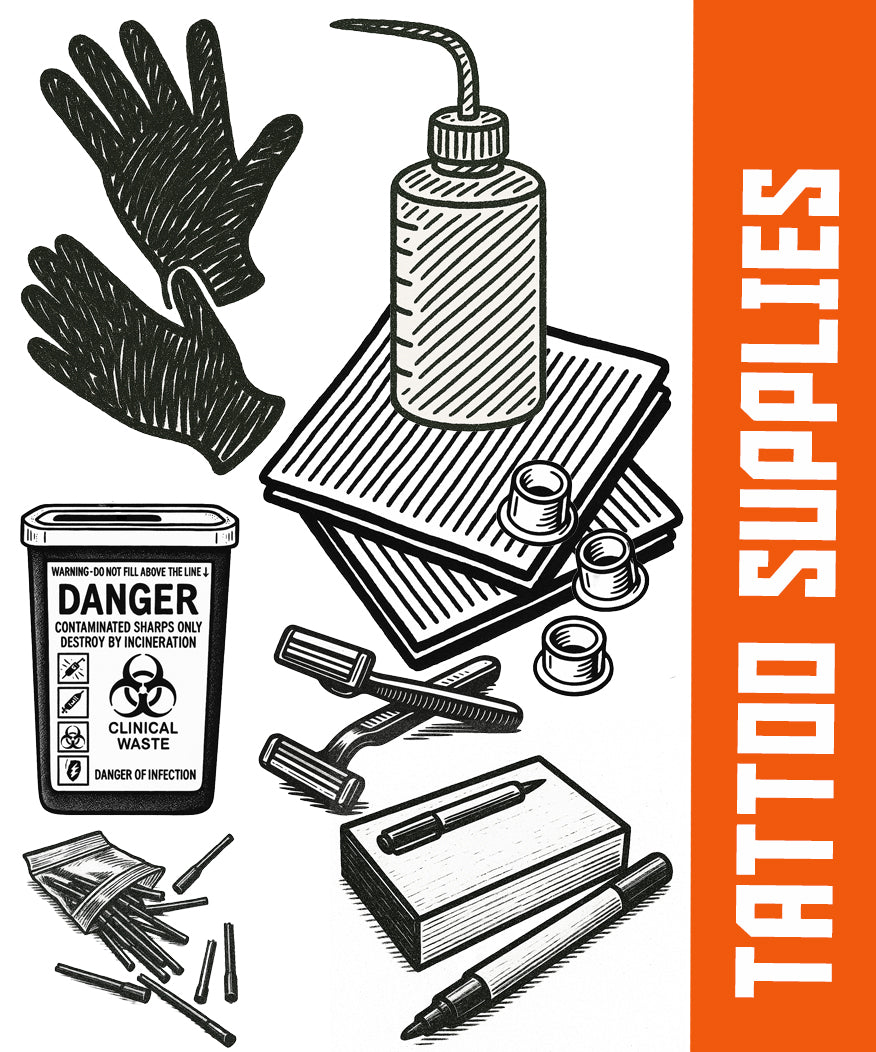
Stencil + accessories: printers, papers, gels, squeeze bottles, caps:
https://coztattoosupplies.ca/collections/tattoo-stencil-products
https://coztattoosupplies.ca/collections/tattoo-accessories
And for heal-happy clients, keep COZ Tattoo Film (matte or glossy) and A&D Ointment packs within reach for take-home kits:
Want to keep learning? Read these next
-
Temporary Tattoos That Look Real — Are They Worth It?
https://coztattoosupplies.ca/blogs/coz-pro-series-blog/temporary-tattoos-that-look-real-are-they-worth-it -
50 Tattoo Ideas That Are Actually Worth It
https://coztattoosupplies.ca/blogs/coz-pro-series-blog/50-tattoo-ideas-that-are-actually-worth-it -
Tattoo Soaps Explained: From Studio Prep to Aftercare
https://coztattoosupplies.ca/blogs/coz-pro-series-blog/tattoo-soaps-explained-from-studio-prep-to-aftercare
The bottom line
Most tattoos look healed in 2–4 weeks and finish healing deeper down by 6–8 weeks. If you keep it clean, lightly moisturized, out of the sun, and away from long soaks, your skin does the rest. When in doubt, slow down—your tattoo has one healing window, and patience pays you back with crisp lines and rich color for years.
Need supplies that make aftercare easier? Grab COZ Tattoo Film (matte or glossy) and A&D Aftercare for a simple routine that works—and keep a box of nitrile gloves handy if you’re touching up or changing coverings. Then, once it’s all healed, sunscreen every time. That’s the secret sauce to bright, long-lasting ink.